Afternoon
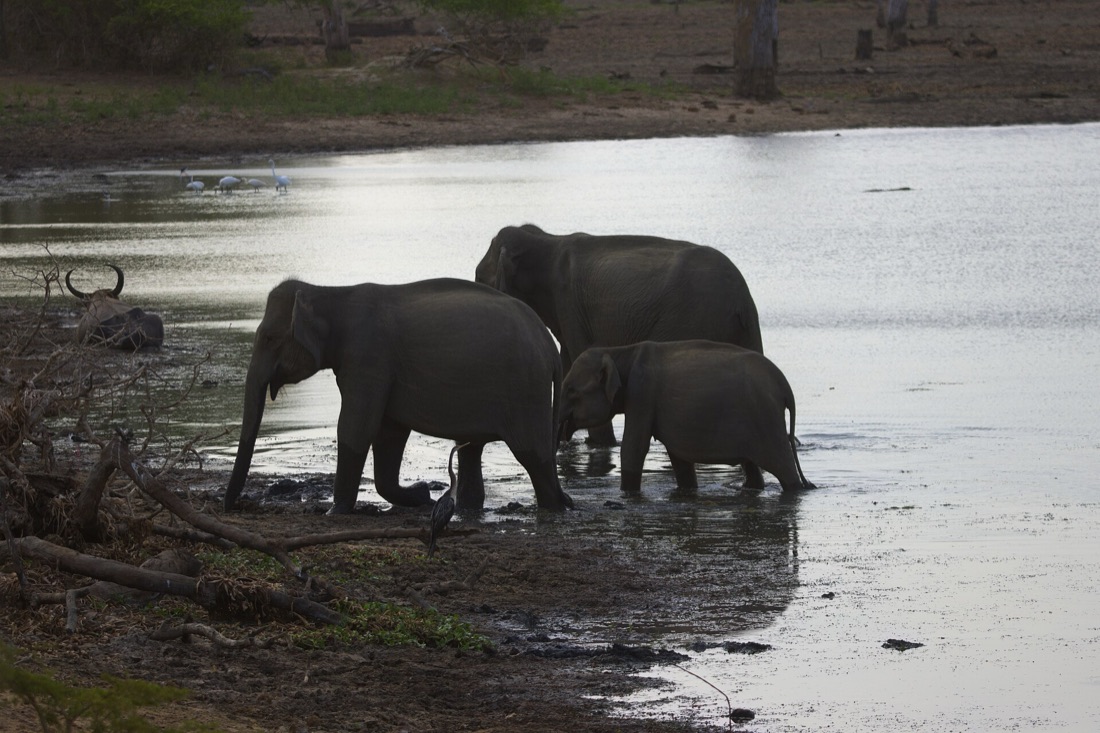
Elephants at a waterhole C.J. Hatton · CC BY-SA 4.0
Golden Hour Elephants
From$90 /jeep
View
We're first through the gate as the light comes up, heading for the rocky outcrops where Yala's leopards rest after a night of hunting.
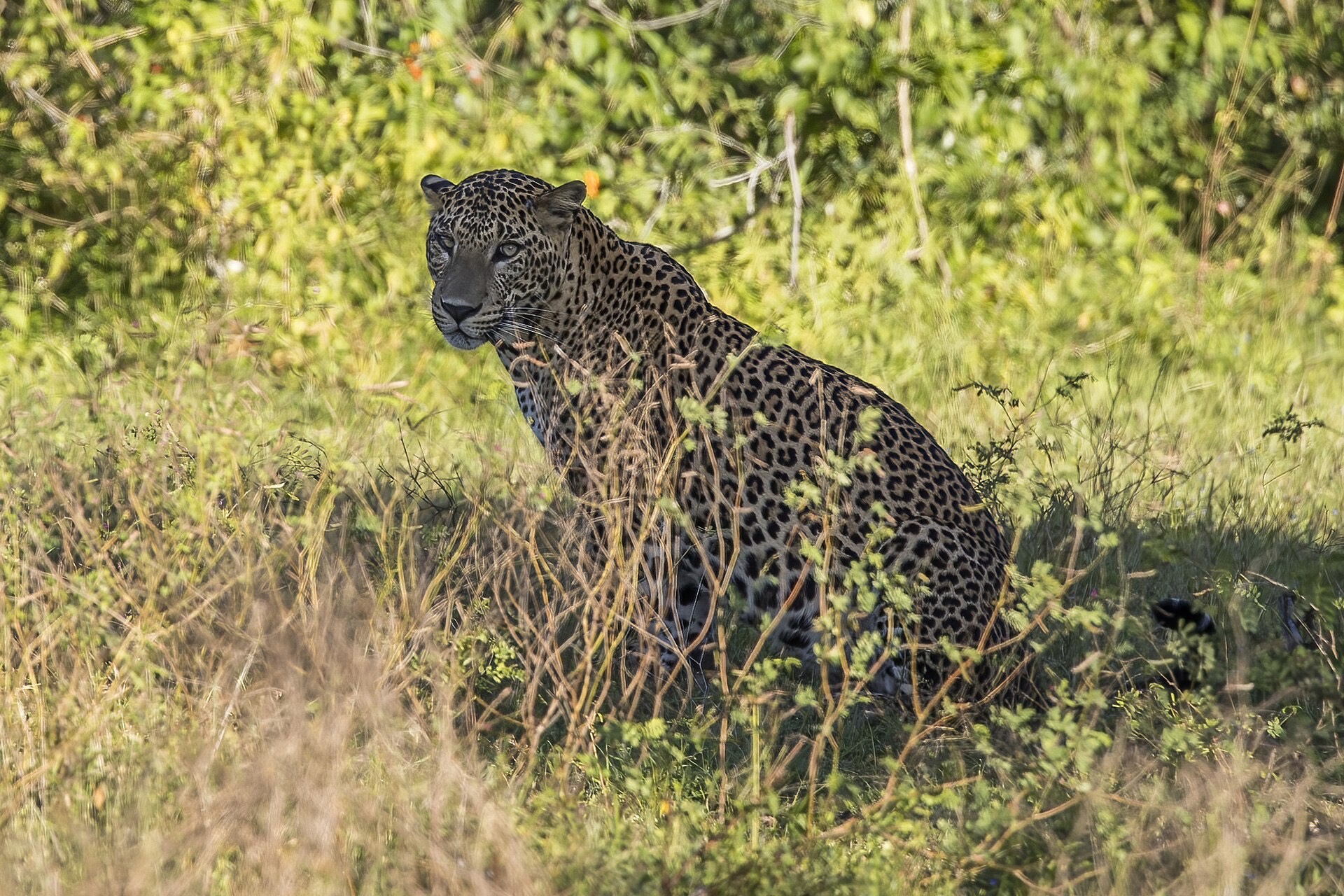
Male leopard, Block 1 Panthera pardus kotiya Charles J. Sharp · CC BY-SA 4.0
Leopards are most active in the cool hour after sunrise. This safari is built around that hour.
Block 1 has one of the highest densities of leopards recorded anywhere, but they're still hard to find. At dawn they're often stretched out on warm granite or walking the sandy tracks before the heat drives them into cover. We aim to be among the first jeeps through Palatupana gate, so we reach those places before the crowds.
Your tracker reads fresh pugmarks in the dust and listens for the alarm calls of langurs, spotted deer and peafowl, which give a hidden cat away. When we find one, we turn the engine off and wait. The best sightings usually come to jeeps that stay put.
Times are a guide. If something is happening, we stay with it.
Your jeep and tracker meet you at the door in Tissamaharama or Kirinda. Coffee, blankets and breakfast boxes are on board.
Your park tickets are already bought, so we join the jeep line early and you get a short briefing on how a sighting works.
We head for the granite outcrops and tracks where leopards were seen in recent days, based on what other trackers have heard from the night before.
We follow fresh pugmarks and listen for alarm calls. Expect elephants, crocodiles, wild buffalo and a lot of birds as we go.
Breakfast at a designated rest stop near Patanangala beach, one of the few places in the park where you're allowed out of the jeep.
A slow loop past the lagoons, where herds and wading birds gather as the day warms up. One last chance for a cat on the move.
Drop-off in time for a second breakfast and a nap. We'll send any sighting notes on WhatsApp.
From the coast at Kirinda to Palatupana gate, then a loop through Block 1. Each morning your tracker chooses the exact loop based on recent sightings.
From our trackers' logs for this safari in the dry season. Wild animals keep their own schedules.
You'll be up at 4:30. Most guests say it's worth it, and you're back before the midday heat.
Sandy, rutted tracks and a lot of bouncing. Not recommended in late pregnancy or with serious back problems.
A leopard near the road can draw a crowd of jeeps. We keep our distance and often find quieter animals elsewhere.
No. Anyone who guarantees one isn't being honest. In the dry season our guests see a leopard on roughly seven in ten morning drives. If you'd like to improve your odds, a second drive or the Full-Day Expedition helps a lot.
Yes, from about five years old. The early start and five hours of bumpy tracks can be a lot for younger children. For families with little ones, the shorter Young Explorers Safari in Block 5 is usually a better fit.
The jeeps have roofs, and we bring rain covers for the open sides. Showers rarely stop a drive, and the animals often come out right after. If the park itself closes, you get a full refund.
Block 1 usually closes for part of September and October. The Department of Wildlife Conservation announces the exact dates each year. During the closure we run this safari in Block 5 instead, and we'll tell you before you book.
There's no deposit. You pay after the drive, in cash (LKR or USD) or by card. Cancel or change your date free of charge up to 24 hours before pickup.
Two drives roughly double your chances of a leopard. Many guests add an afternoon drive on the same day.
Elephants at a waterhole C.J. Hatton · CC BY-SA 4.0
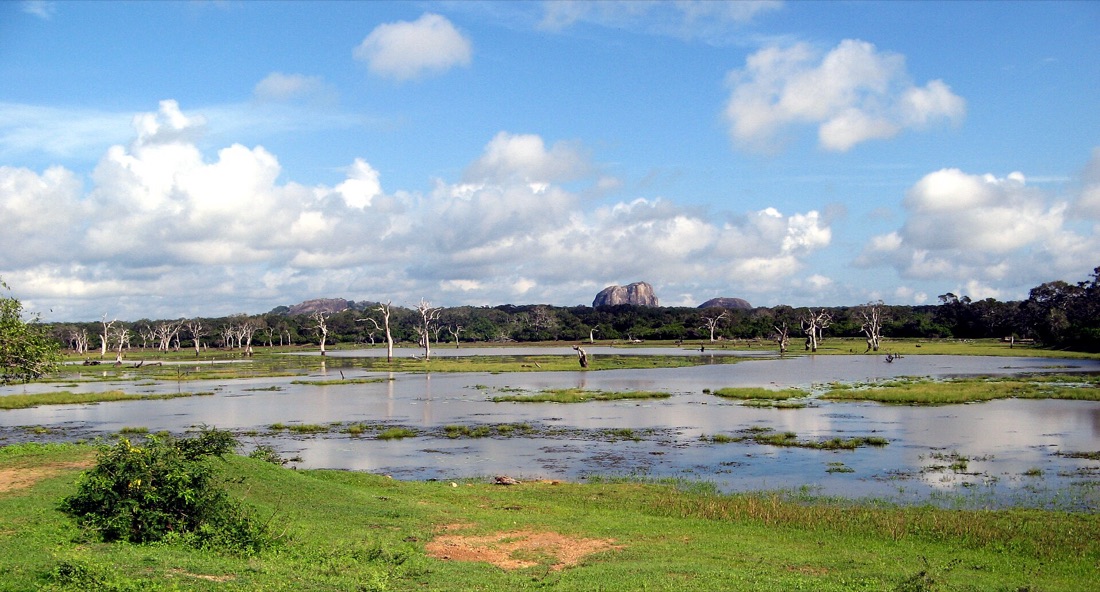
Elephant Rock from the lagoon Michael Gunther · CC BY-SA 4.0
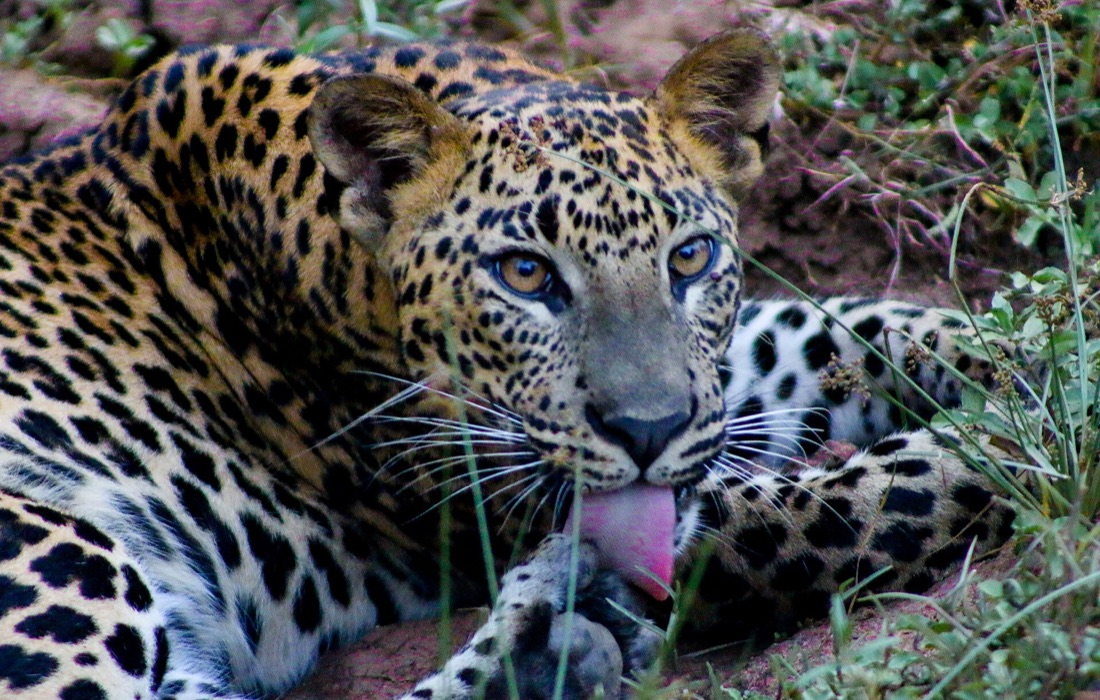
Leopard at rest Senal Fernando · CC BY-SA 4.0
Tell us your date and where you're staying. We'll confirm your jeep, your tracker and your pickup time, usually within a few hours.
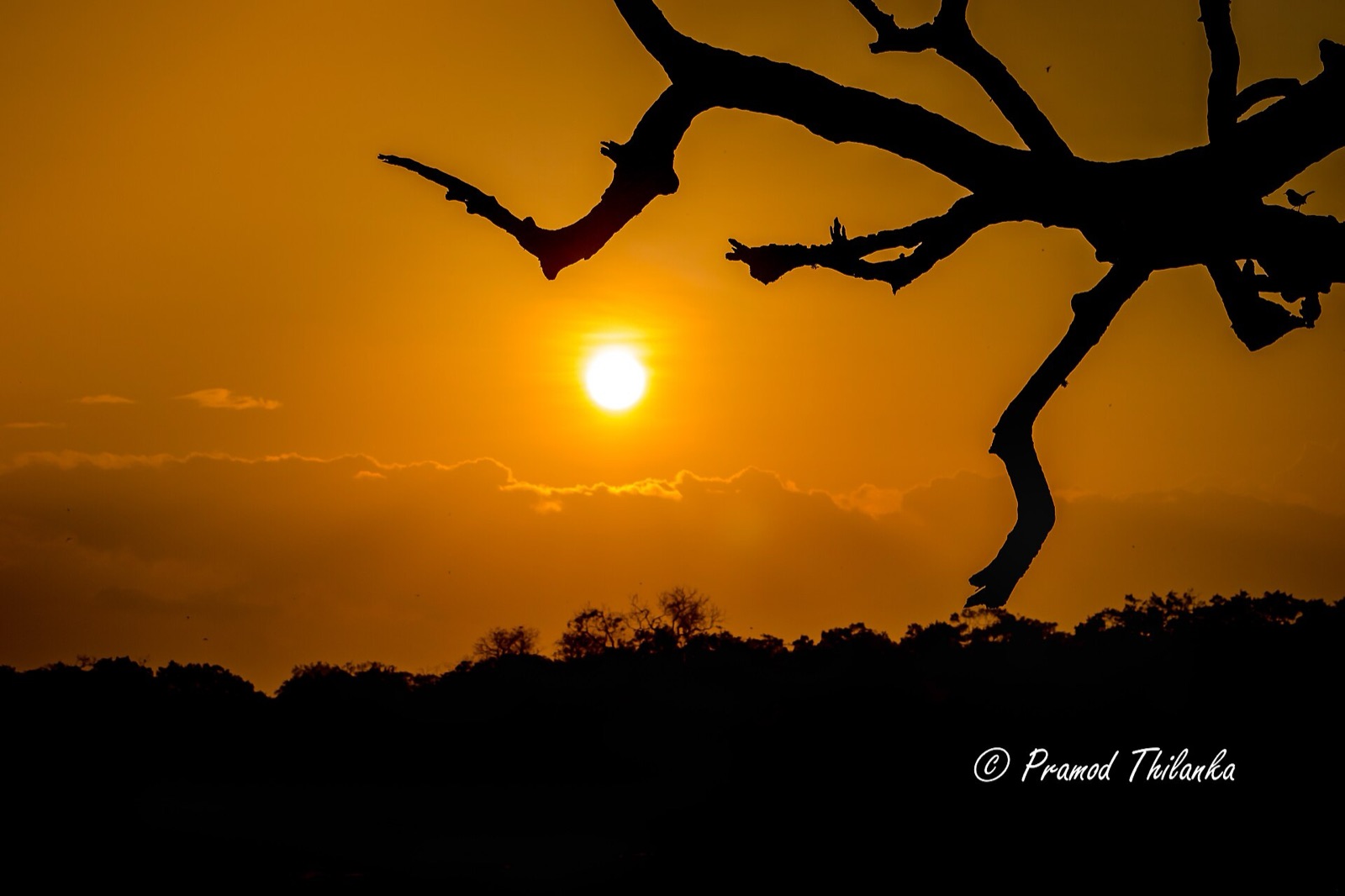
Sunset over Yala Pramod Thilanka · CC BY-SA 4.0
We'll reply on email or WhatsApp, usually within a few hours.