Morning
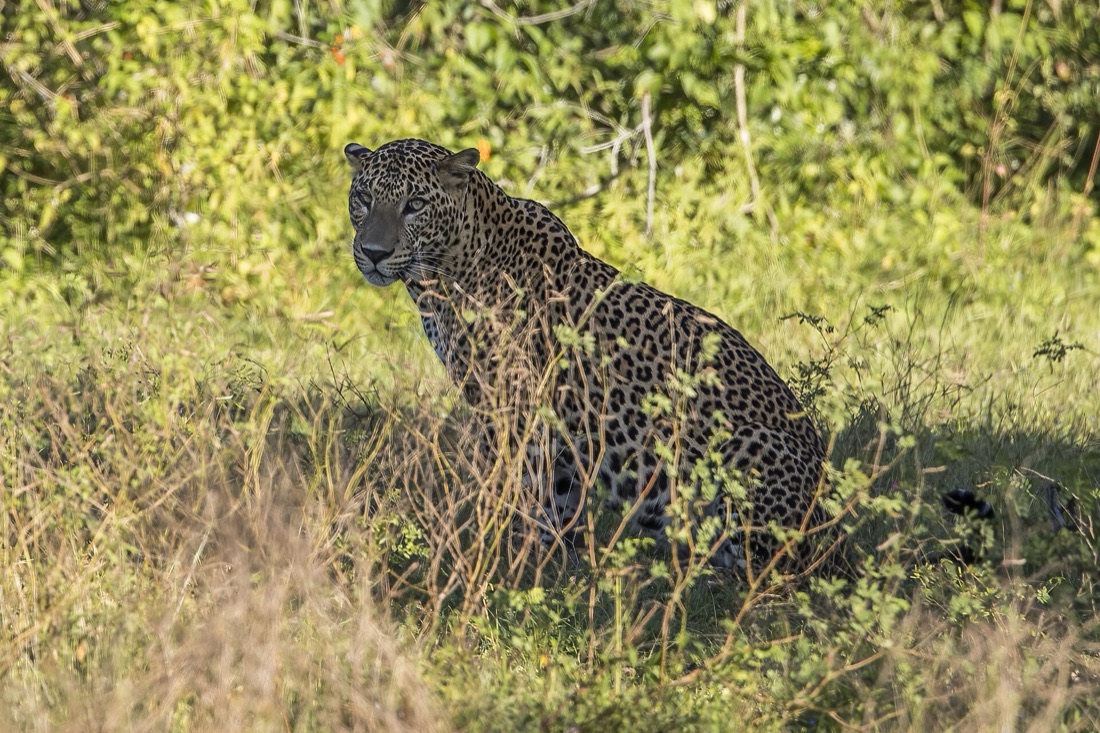
Male leopard, Block 1 Charles J. Sharp · CC BY-SA 4.0
Dawn Leopard Trail
From$95 /jeep
View
Three photographers, one modified jeep, and a guide who thinks about light and background as much as the animal.
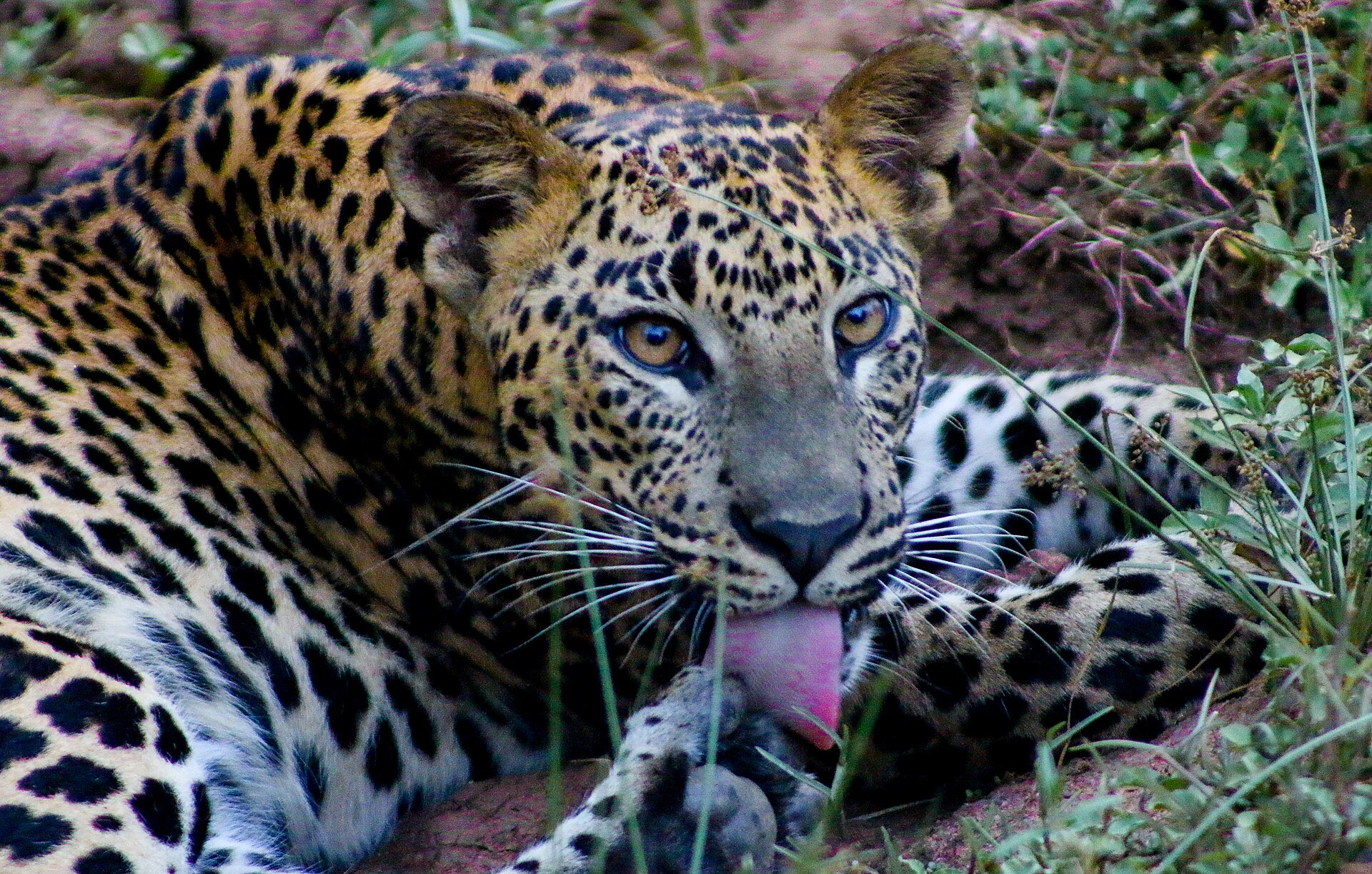
Leopard at rest Panthera pardus kotiya Senal Fernando · CC BY-SA 4.0
Most safari jeeps are built to carry six tourists. This one is built for three photographers.
The jeep has been modified with rails for beanbags and clamps, space to keep long lenses ready rather than packed away, and power for charging batteries. With only three people on board, everyone has a clear side to shoot from.
Your guide is a photographer as well as a tracker. They'll position the jeep for the light and a clean background, keep the engine off while you shoot, and wait as long as you need. We'll talk to you before the day about what you want to photograph.
Times are a guide. If something is happening, we stay with it.
Gear loaded and beanbags set up before we leave, so you're ready to shoot at the gate.
Your tickets are already bought. Your guide talks through the light and the likely subjects for the morning.
Side-lit leopards and soft light on the granite. We get into position before the sun clears the trees.
Breakfast at a rest stop while batteries charge on board.
Bee-eaters, kingfishers and crocodiles at the water's edge. A good time for your longest lens.
Lunch at Patanangala. Back up your cards, review the morning's images and plan the afternoon light.
We set up where herds and leopards come to drink, with the sun behind us.
Warm, low light and dust in the air. We stay with the best subject rather than chasing new ones.
A slow drive to the gate.
Time to start editing.
The full-day loop, timed for light rather than distance: east-facing rocks at sunrise, the lagoons at midday and west-facing waterholes for the evening.
From our trackers' logs for this safari. Wild animals keep their own schedules.
We'll sometimes skip a crowded sighting for a better angle on a quieter animal.
Drones aren't allowed in the national park, and we can't fly them for you.
There's no getting out to shoot, except at the designated rest stops.
A 100–400mm or 150–600mm lens covers most situations. A 70–200mm is useful for elephants and wider habitat shots. A teleconverter helps with birds.
Yes. Tell us beforehand so your guide knows to keep the engine off for longer and choose steadier positions.
Yes. A morning or afternoon photography jeep starts from $150 per jeep. Ask when you enquire.
No, but a full day in Block 1 in the dry season gives you very good odds. Your guide will put you in the best place for the light when it happens.
There's no deposit. You pay after the drive, in cash (LKR or USD) or by card. Cancel or change your date free of charge up to 24 hours before pickup.
Our standard jeeps take up to six guests and still give everyone a window seat.
Male leopard, Block 1 Charles J. Sharp · CC BY-SA 4.0
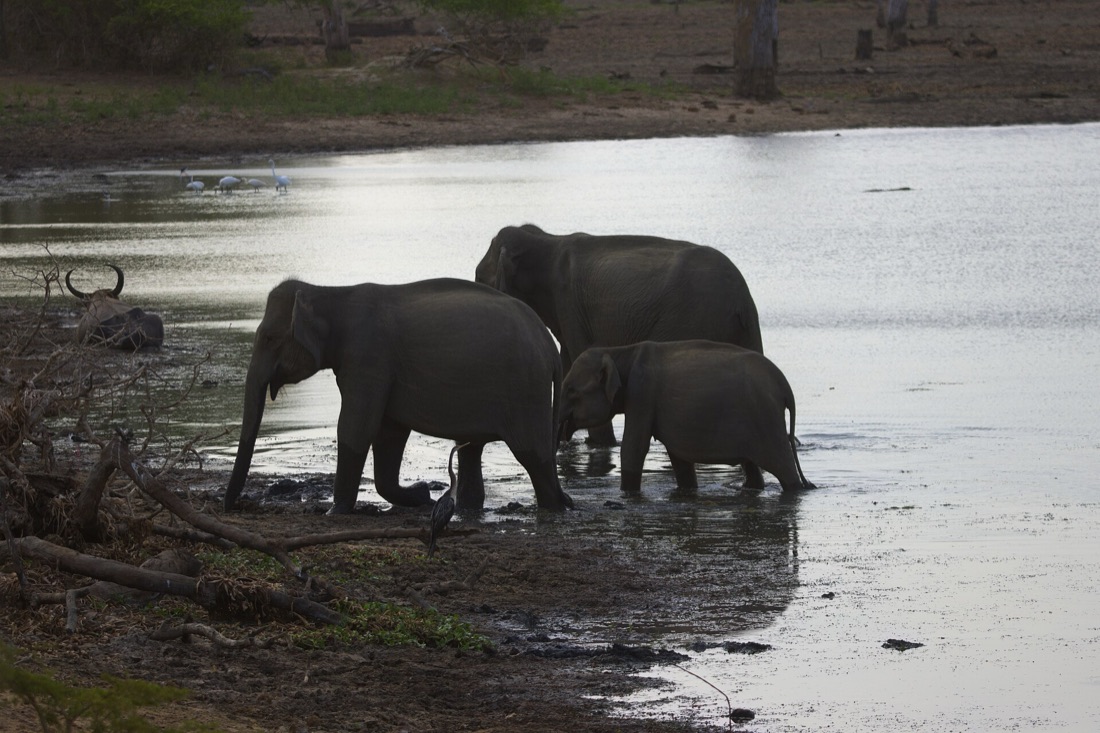
Elephants at a waterhole C.J. Hatton · CC BY-SA 4.0
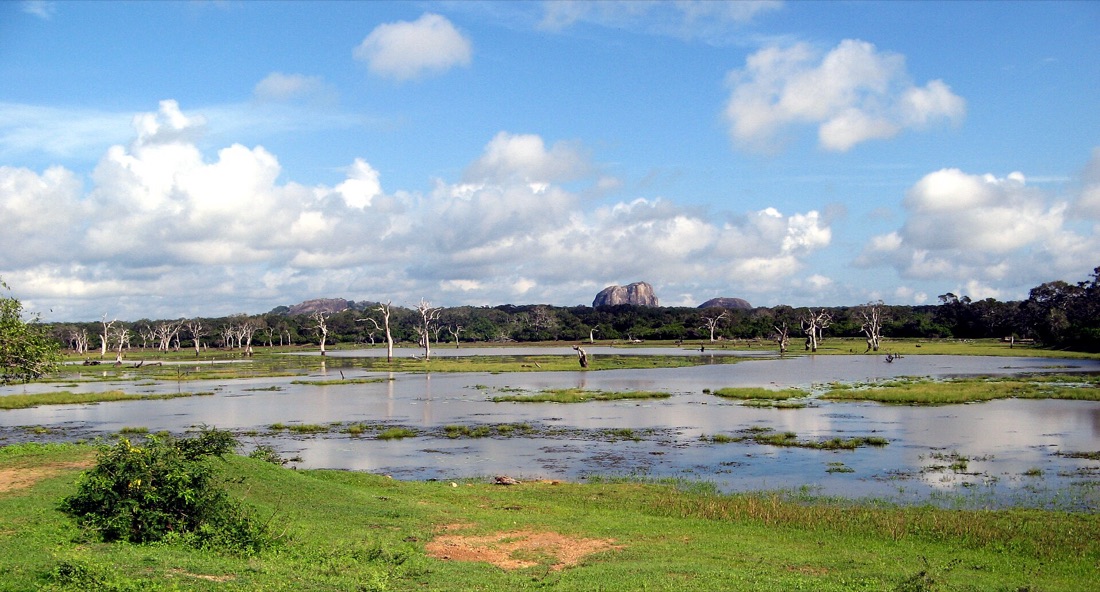
Elephant Rock from the lagoon Michael Gunther · CC BY-SA 4.0
Tell us your date and where you're staying. We'll confirm your jeep, your tracker and your pickup time, usually within a few hours.
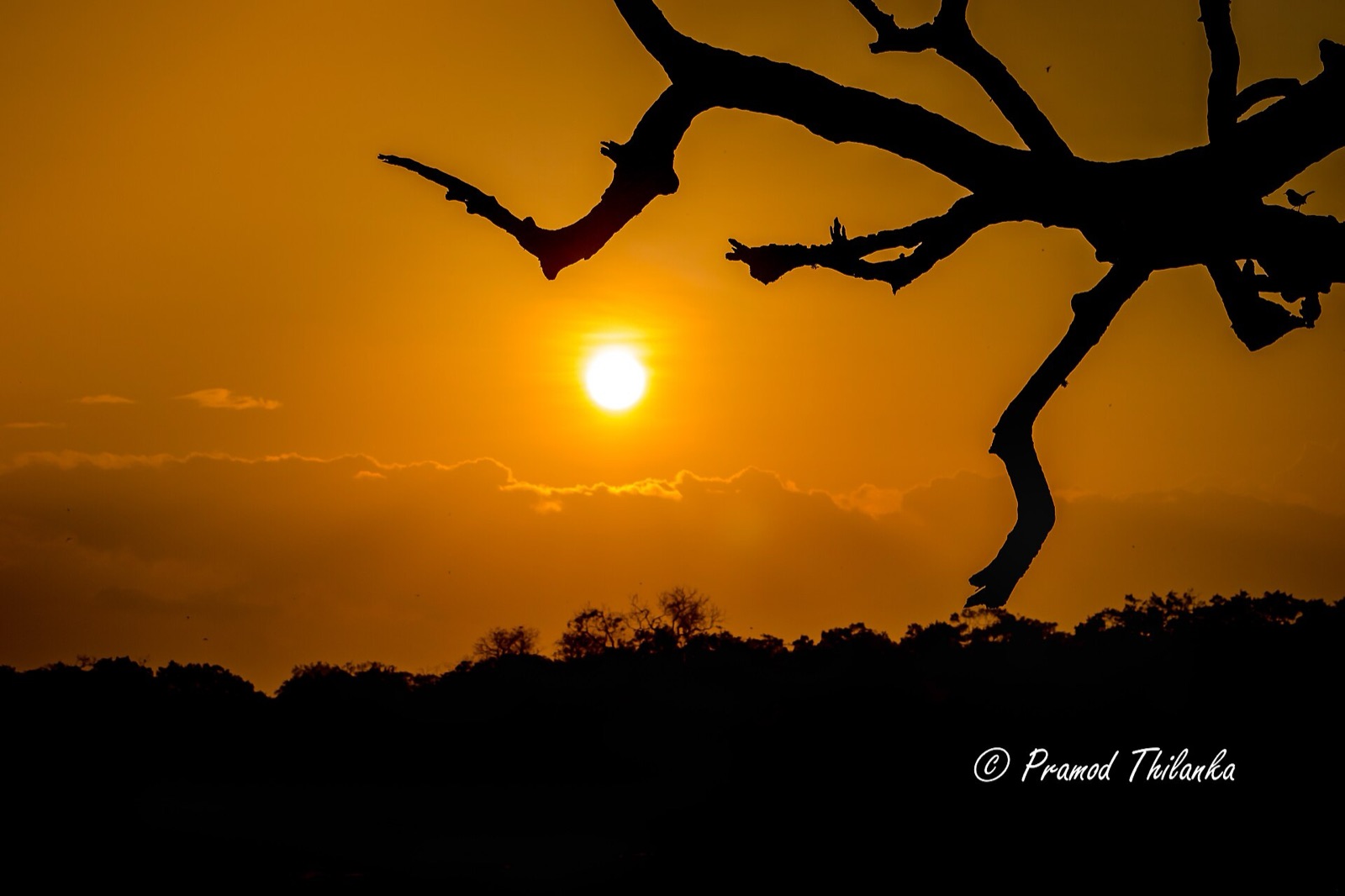
Sunset over Yala Pramod Thilanka · CC BY-SA 4.0
We'll reply on email or WhatsApp, usually within a few hours.