Full day
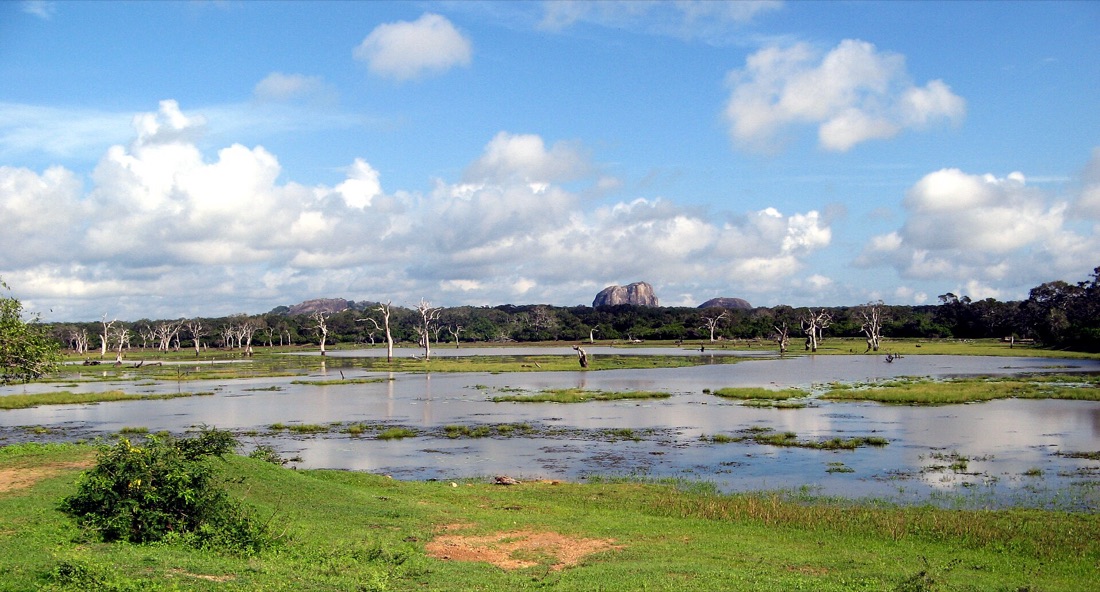
Elephant Rock from the lagoon Michael Gunther · CC BY-SA 4.0
Full-Day Yala Expedition
From$185 /jeep
View
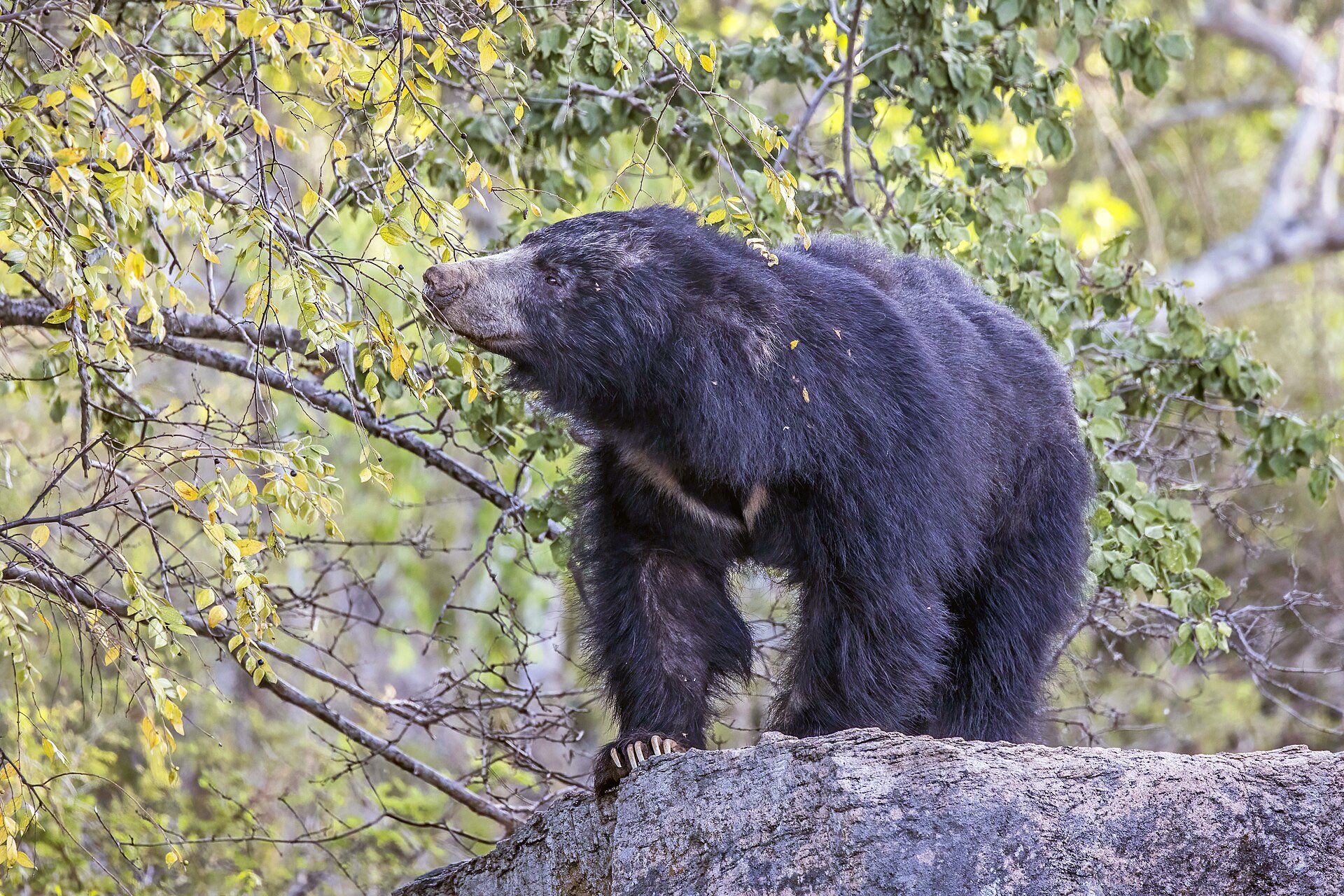
For a few weeks each year the palu trees fruit, and Yala's shy sloth bears come out into the open to feed.
Sloth bear in palu season Melursus ursinus inornatus Charles J. Sharp · CC BY-SA 4.0
Sloth bears are among the hardest animals to see in Sri Lanka. Palu season is the best chance you'll get.
The Sri Lankan sloth bear is a subspecies found only on the island. Bears are mostly active at night and wary of people, so most visitors never see one. But when the palu trees (Manilkara hexandra) fruit in the dry months, bears come out in daylight to climb them and feed, sometimes for hours.
This safari is led by a tracker who specializes in bears. They know which trees are fruiting that week and which bears have been visiting them. We spend the day moving between fruiting trees, with leopards, elephants and the rest of Block 1 along the way.
Times are a guide. If something is happening, we stay with it.
Your bear tracker briefs you on the week's sightings on the way to the gate.
Your tickets are already bought, so we join the jeep line early.
Bears often feed early, before the heat. We go straight to the trees with the most recent activity.
Breakfast at a designated rest stop, then on to the next group of trees.
Claw marks on bark, broken branches and termite mounds dug open overnight all point to where a bear has been.
Rice and curry at a designated picnic spot by the sea.
The quiet part of the day. We park within sight of a fruiting tree and wait, often with leopards and elephants nearby.
As it cools, bears come back to feed again. This is often the best window of the afternoon.
A slow drive to the gate, watching the roadsides.
Drop-off in time for dinner.
The route follows the fruit. Each week your tracker plans a loop between the palu trees bears are visiting, with lunch at Patanangala.
From our trackers' logs for this safari. Wild animals keep their own schedules.
Some days they simply don't come down. A full day gives you two feeding windows.
Fruiting depends on the rains and changes from year to year. We'll tell you honestly what our trackers are seeing before you book.
Much of the day is spent parked quietly near trees. It's worth it, but it takes patience.
Usually from around May to July, peaking in June, but it depends on the year's rains. When you enquire, we'll tell you what our trackers are seeing that week.
Sloth bears can be unpredictable, so we always keep a respectful distance and you stay in the jeep. Our trackers know the signs of a nervous bear and back off early.
Yes, as a standard full-day safari, but the chances of seeing a bear are much lower. We'll be honest about it when you book.
Children from about ten usually manage the long day well. Bear sightings take quiet patience, so it suits older children best.
There's no deposit. You pay after the drive, in cash (LKR or USD) or by card. Cancel or change your date free of charge up to 24 hours before pickup.
Outside palu season, these safaris give you the best chances of leopards and elephants.
Elephant Rock from the lagoon Michael Gunther · CC BY-SA 4.0
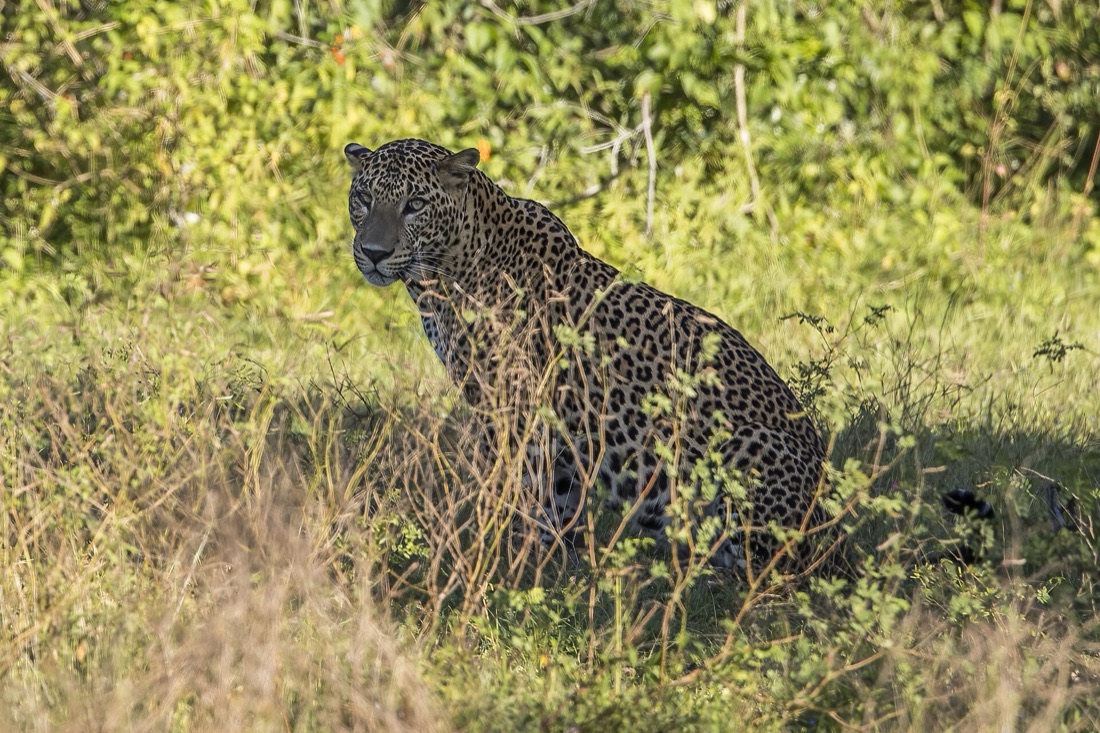
Male leopard, Block 1 Charles J. Sharp · CC BY-SA 4.0
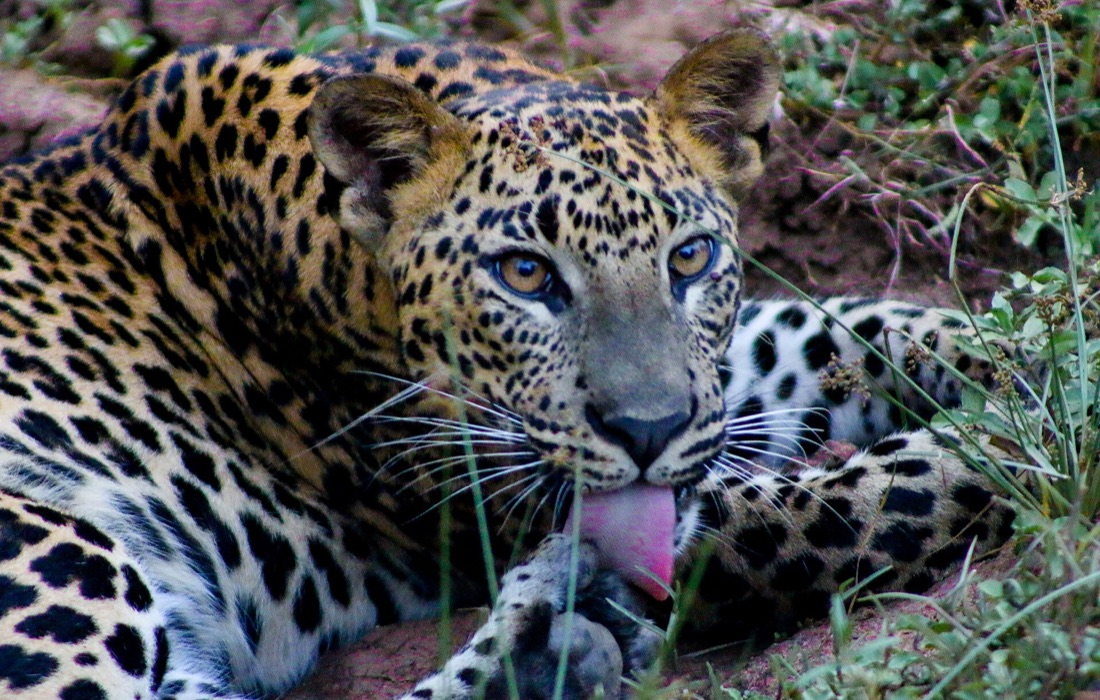
Leopard at rest Senal Fernando · CC BY-SA 4.0
Tell us your date and where you're staying. We'll confirm your jeep, your tracker and your pickup time, usually within a few hours.
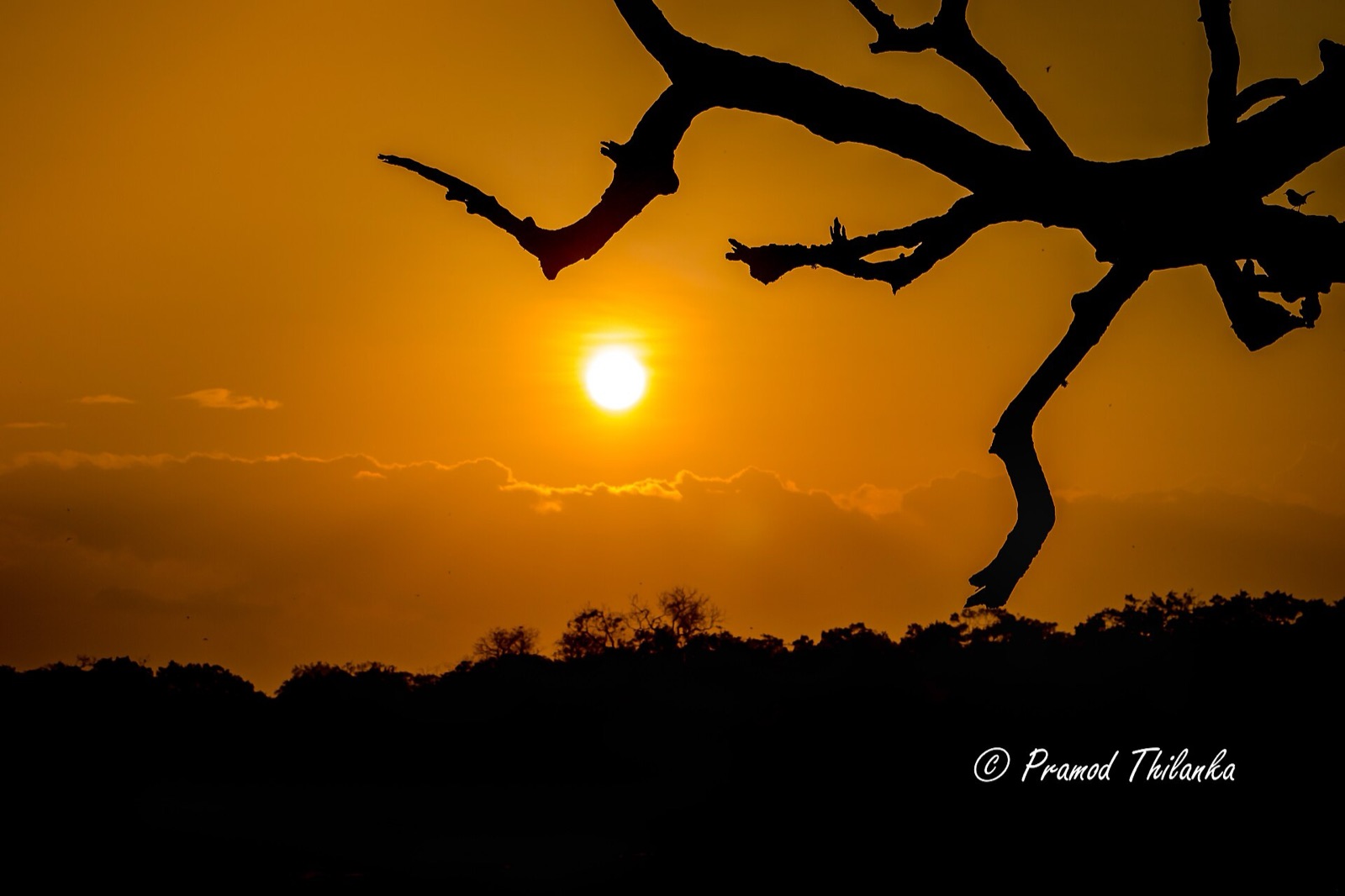
Sunset over Yala Pramod Thilanka · CC BY-SA 4.0
We'll reply on email or WhatsApp, usually within a few hours.